Addiction Treatment in San Antonio for LGBTQ+ People: Inclusive Treatment
San Antonio has a lengthy memory and a split identity. Armed forces town and college community, majority Latino city with deep belief practices, a consistent influx of newbies, and a silently resistant LGBTQ+ area that has actually taken attesting rooms across communities and generations. When it pertains to compound usage, those layers matter. People do not come to treatment as blank slates. They bring backgrounds of family expectations and church seats, of releases and dysphoria, of language obstacles and late night ER gos to. Excellent addiction treatment in this city values every one of that. Superb treatment knows just how to collaborate with it.
I have actually rested with clients that invested years white-knuckling sobriety while hiding their pronouns at the workplace, with men in their 50s that made it through the elevation of the HIV dilemma and still bring pain that flares at anniversaries, with young trans individuals that discovered early to peaceful their requirements in your home due to the fact that security was never assured. When a program recognizes those certain pressures, outcomes transform. Retention improves, overdose risk declines, treatment is collaborated instead of fragmented, and people tell the truth in session since it ultimately feels secure to do so.
Why inclusive care modifications outcomes
The study corresponds throughout regions: LGBTQ+ individuals experience higher rates important use disorders than heterosexual and cisgender peers. The factors are not mystical. Persistent stress and anxiety from discrimination, concealment, and household rejection elevates risk. Violence and harassment, especially amongst transgender females and LGBTQ+ young people of shade, do not simply contusion bodies, they tighten coping options. Then come the sensible obstacles: a therapist that misgenders, a group where jokes go unchallenged, or an intake that forces a lawful name that does not match lived fact. Those frictions substance and people disengage.
In San Antonio, add a couple of more variables. Spanish is commonly the language of comfort in your home, also if documentation lands in English. Veterans compose a substantial piece of our population and bring intricate injury accounts. Confidence areas supply solace and, sometimes, shame. Some families divided throughout the city and the Eagle Ford Shale areas, which turns transportation right into an once a week stressor. Reliable addiction treatment in San Antonio, especially for LGBTQ+ adults and teens, represent these real circumstances and layouts care that invites the entire person, not just the diagnosis.
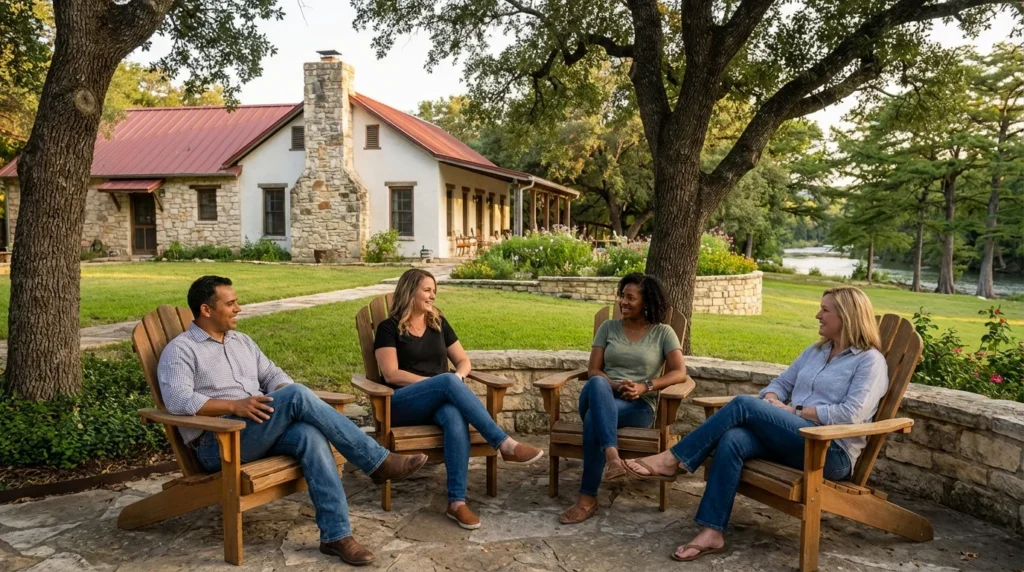
What affirming addiction care appears like in practice
Affirming is not a poster on the wall surface throughout Satisfaction month. It turns up in the first telephone call when a coordinator asks for your name and pronouns, logs them appropriately, and they show up exactly on your chart so you are not fixing individuals three times a day. It is a nurse who knows exactly how to review tucking, binding, or hormone timing alongside cravings and causes. It is a psychoanalyst who screens for PTSD, clinical depression, and bipolar affective disorder, and treats them robustly instead of stating every little thing is "just the addiction."
For several LGBTQ+ clients, trauma-informed treatment is not optional. I have seen EMDR unlock stuck memories and scattered body-level panic that drove alcohol consumption for a decade. When groups are promoted by clinicians trained to interrupt microaggressions and to hold space for queer relationships, involvement rises. Couples counseling that respects nonmonogamy and makes clear agreements can be the difference in between an encouraging home and a residence packed with landmines. And in a city with a sizable HIV-positive population, incorporating HIV care right into addiction services conserves time and minimizes danger. Easy coordination, like syncing buprenorphine refills with antiretroviral pickup, spares missed days and secures momentum.
Programs that understand LGBTQ+ care likewise partner well with sex-related health solutions. Accessibility to Preparation and PEP, STI screening without judgment, and sincere conversations regarding chemsex or party and play patterns make regression avoidance prepares sensible. The point is not to police habits. It is to highlight where threat spikes, aid people develop safety and security into their social lives, and craft choices that still really feel connected and fun.
Housing commonly decides whether progression holds. A trans female going back to a home where she can not dress as herself goes to higher danger for regression than she was in organized treatment. Some San Antonio programs team up with sober living houses that affirm sex identification and sexual preference. Ask about these ties. The phrase "family of option" need to be familiar to staff, and family sessions should welcome brother or sisters, partners, and buddies who work as kin, not just moms and dads that may or may not be supportive.
Levels of care and how to choose
People often ask whether they need detoxification, inpatient, or something much less extensive. The answer depends upon compounds utilized, medical security, withdrawal dangers, home setting, transportation, and work or school obligations.
Medically monitored detoxification is necessary for alcohol or benzodiazepine withdrawal danger, and occasionally for heavy opioid or polysubstance use. In San Antonio, hospital-based systems and standalone facilities operate on both public and personal designs. If you are trans or nonbinary, confirm that methods regard personal privacy, consisting of area projects and restroom access.
Residential therapy uses framework and daily treatment away from triggers. It suits people that need distance from a chaotic home, or who have co-occurring mood disorders or PTSD that require close surveillance. The compromise is expense and time away from work or caregiving. When residential programs are not clearly LGBTQ-affirming, clients sometimes leave early. Ask to tour a device or to speak to queer alumni prior to committing.
Partial a hospital stay and extensive outpatient programs offer a number of hours of treatment most days of the week while you sleep in your home. For many LGBTQ+ clients with stable housing and respectable assistance, this rate works well. It allows you to practice skills in real time and revive what did not work the following day. Evening IOPs help those with daytime jobs.
Standard outpatient treatment and specific therapy end up being the backbone for longer term change. In this phase, fit with the specialist matters as much as modality. If a clinician discovers pronouns or avoids speaking about sex and affection, it threatens trust.
Peer assistance fills up spaces conventional systems can not get to. In San Antonio, you will discover 12-step meetings, nonreligious teams, and healing rooms explicitly for LGBTQ+ people. Some customers prosper in AA or NA when a queer-friendly home team is offered. Others like SMART Recuperation or Haven Recovery due to the fact that the language really feels much less filled. The right solution is the one you will certainly attend.
Therapies that have a tendency to resonate
Cognitive behavior modification is a workhorse. It helps recognize ideas that send actions off the rails and offers tools to interrupt those loopholes. Approval and commitment therapy includes room between urge and action, educating people to come through pain while acting in accordance with worths. Motivational interviewing aspects ambivalence as opposed to shaming it, which is critical for customers who have actually complicated relationships with materials tied to social life or sex.
For trauma, EMDR and somatic strategies minimize the physical fee that gas binges or cravings. I have seen customers who were unmoved by talk treatment make large strides once their nervous system settled. Contingency management, basically structured rewards for meeting targets like unfavorable medicine screens, can be effective for energizers. When clinicians apply these methods without moralizing, and when they explicitly acknowledge LGBTQ+ life realities, interaction usually improves.
Family therapy, thoughtfully done, aids fixing or redefine relationships. In some San Antonio families, Catholic or evangelical beliefs form reactions. The most effective specialists make space for belief without enabling it to revoke identification. They frame conversations around security and love, equate professional principles into language senior citizens respect, and set borders when discussions drift right into harm.
Medication-assisted therapy in a Texas context
For opioid usage disorder, buprenorphine and methadone decrease overdose risk and support lives. In Bexar Area, buprenorphine accessibility has actually increased with office-based prescribers and telehealth. Methadone continues to be connected to daily facility dosing beforehand, which can be a concern without a cars and truck. Naltrexone helps some customers with opioids or alcohol, specifically when yearnings spike in specific social settings.
Two functional notes for LGBTQ+ patients:
- If you are on gender-affirming hormones, make sure your prescriber examines interactions and side effects. Generally, buprenorphine and methadone do not interfere with estradiol or testosterone, however metabolism and weight adjustments can affect dosing. Monitor laboratories and just how you really feel rather than depending on one-size-fits-all schedules.
- For customers dealing with HIV, coordinate very closely with your HIV company. Modern antiretrovirals play well with floor covering, yet adherence regimens matter. I have seen clients do well by syncing pillboxes and appointments so that recuperation and HIV care enhance each other rather than compete.
Texas regulations and facility logistics can feel nontransparent. Do not hesitate to inquire about take-home benefits, visitor dosing if you take a trip, and ways to decrease time invested in waiting areas where personal privacy really feels thin. Programs that worth LGBTQ+ self-respect will have thought through these discomfort points.
Barriers that turn up here, and exactly how programs can help
Cost and insurance are predictable obstacles. Despite parity laws, some plans still need layers of preauthorization. If you use Medicaid, insurance coverage varies by program kind and carrier. Multilingual staffing is another concern. San Antonio does much better than numerous cities, however totally Spanish-language groups are still erratically offered, and analysis in a group treatment setup is seldom ideal.
Transportation stays a quiet deal-breaker for numerous clients. A day-to-day methadone schedule, or a 4 day a week IOP on the far side of Loophole 1604, can crumble under the weight of childcare or a solitary undependable vehicle. Programs that offer bus passes, telehealth choices, or versatile organizing keep individuals engaged longer. Where immigration problems exist, intake team must be transparent concerning what info is gathered and just how it is safeguarded. Discretion is not a deluxe for some clients. It is the only way they will certainly reveal up.
Cultural friction additionally matters. If a front desk worker silently courts a same-sex partner in the entrance hall, the damages is done prior to the very first session. If a medical professional deals with sex expedition as a symptom instead of seeing it as identity, count on evaporates. Supervisors need to educate and examine for these minutes, not wait for complaints.
Working with households and confidence communities
San Antonio's religious fabric is not going anywhere. When programs companion with affirming clergy, particularly Spanish-speaking leaders who already hold authority in households, they increase the circle of support. I have sat in sessions where a granny, hearing from a deacon she appreciates, finally set aside her idea that being gay is a phase and concentrated on her grand son's security and soberness. That sort of cooperation is not regarding faith. It has to do with straightening impact toward health.
On the opposite, clinicians need to be prepared to construct recovery plans that do not rely on family members in all. Chosen families are not a consolation prize. They are typically extra trusted and much less dramatic. Invite them in.
Paying for care without hindering your life
Costs vary extensively. A residential month can range from a couple of thousand dollars at an openly supported center to well over 20,000 dollars at an exclusive facility. IOPs frequently range from 150 to 400 dollars per session before insurance policy. Several programs in the area approve Medicaid, TRICARE for military families, and industrial plans, though deductibles can still bite. Sliding-scale clinics exist, commonly connected to area university hospital or university training programs, and they have a tendency to fill quickly.
Ask about gives or scholarship ports earmarked for LGBTQ+ clients or for individuals living with HIV. Some programs partner with nonprofits to finance a set variety of seats each year. When you are comparing choices, consider transport expenses and lost work hours, not only sticker price. A somewhat more expensive evening program may conserve money if it enables you to maintain your job.
How to veterinarian a program prior to you commit
- Ask just how team gather and utilize names and pronouns, and whether that info circulates to every system from pharmacy to billing.
- Request details concerning LGBTQ-specific training, including exactly how often it is freshened and that offers it.
- Ask whether teams or tracks exist that clearly address LGBTQ+ stress factors, sexual health, and family dynamics.
- Verify accessibility to medication-assisted treatment and exactly how it incorporates with HIV care, PrEP, or hormone therapy.
- Ask to talk with an LGBTQ+ graduate or to observe a group, even briefly. The tone in the area will certainly inform you greater than a brochure.
If a program ends up being protective or unclear when you increase these topics, consider it valuable information. Transparency signals respect.
A practical beginning plan if you are ready to act
- Call your insurer, if you have one, and request for a checklist of in-network addiction suppliers that keep in mind LGBTQ+ competency or incorporated psychological health.
- Call two programs and request an intake testing. Notice how you really feel after each phone call. Convenience matters from the very first minute.
- Line up functionalities: transport, pause work if required, child care. If you are fretted about cost, inquire about sliding scale or financial assistance prior to your first appointment.
- Identify one person in your life who supports your identity and your recovery. Ask them to be on-call throughout the initial two weeks of treatment.
- If opioids or alcohol are involved, discuss medication alternatives with a prescriber today, not after relapse.
Aftercare that sticks
Relapse avoidance is not a worksheet. It is a set of routines and connections https://www.lahacienda.com/contact that help you proper course promptly. San Antonio supplies sober occasions with LGBTQ+ companies, peer-led groups that meet in recreation center, and gym or yoga rooms where sobriety is silently the norm. Graduates programs can be practical when they are greater than month-to-month pizza evenings. Seek regular check-ins, text assistance, and abilities booster sessions.

If your plan consists of going back to bars or clubs in any capacity, be truthful regarding it. Work with your specialist to develop damage decrease tools that reflect the areas you in fact check out. That can suggest bringing a sober friend, establishing a difficult leave time, using rideshare as opposed to driving, or covering the variety of places in a night. Embarassment does not protect against relapse. Practical planning does.
Measuring progress without obsessing
The most motivating adjustments in some cases get here sideways. Sleep deepens. You answer messages. You turn up to Sunday dinner and leave prior to the discussion transforms vicious. Yearnings reduce from 40 minutes to 10. Laboratory numbers support. Sex-related experiences really feel more secure and extra linked. Not weekly is a straight line. Anticipate a few unpleasant days and develop a plan for them. If you slide, bring it to your following session with interest, not self-flagellation. Great medical professionals will certainly treat gap information as information, not indictment.
Where to locate help in San Antonio
You have numerous reputable access factors. The SAMHSA therapy locator can filter for programs by postal code and degree of treatment, then you can call to inquire about LGBTQ proficiency. The Satisfaction Center San Antonio keeps source listings and can aim you toward affirming mental health and wellness and healing alternatives. Bexar County's behavioral health and wellness efforts attach citizens to publicly financed solutions, and 211 Texas will route you to local alternatives if you discuss what you need. University-affiliated centers often supply lower-cost treatment supplied by supervised trainees, and some are deliberate concerning inclusive care.
If you are currently unhoused or at prompt risk, inform the intake organizer. Some programs hold emergency situation ports or can collaborate with sanctuaries that are safer for LGBTQ+ people. Do not assume people will certainly guess your circumstance. Ask straight wherefore will certainly keep you safe.
A note on language and identification in care
Names and pronouns are not courtesies. They are medical devices. People that feel highly regarded divulge more and conceal less. That indicates better assessment, less surprises mid-treatment, and less avoidable situations. Documentation needs to allow exact sex markers, picked names, and relationship summaries. Team guidelines need to set assumptions around respect and make it clear that identity disputes are not therapy topics.
The same opts for sexuality and intimacy. For many customers, substance usage is entangled with sex, whether in connection society, long-term connections, or industrial contexts. When therapists invite honest discussion without pathologizing need, safety plans obtain sharper and shame softens. I have actually watched therapy delay for months due to the fact that no person would certainly state out loud what everybody knew was true. Once the door opened up, progression resumed.
The San Antonio advantage, when you find the ideal fit
This city can stun you. An enroller who also offered at Lackland and recognizes your problems. A multilingual counselor that bridges discussions with your mother without watering down your identification. A peer that texts you on Fridays because they remember those were your danger evenings. The right program weaves those possessions right into care.
If you need addiction treatment in San Antonio, search for places that see the entire weave. If you are looking more generally for Addiction treatment texas options, start with what matters most to your health and dignity, then slim by logistics. Recovery is not concerning coming to be a different person. It is about coming to be extra yourself, with assistance that fits the life you actually live.